
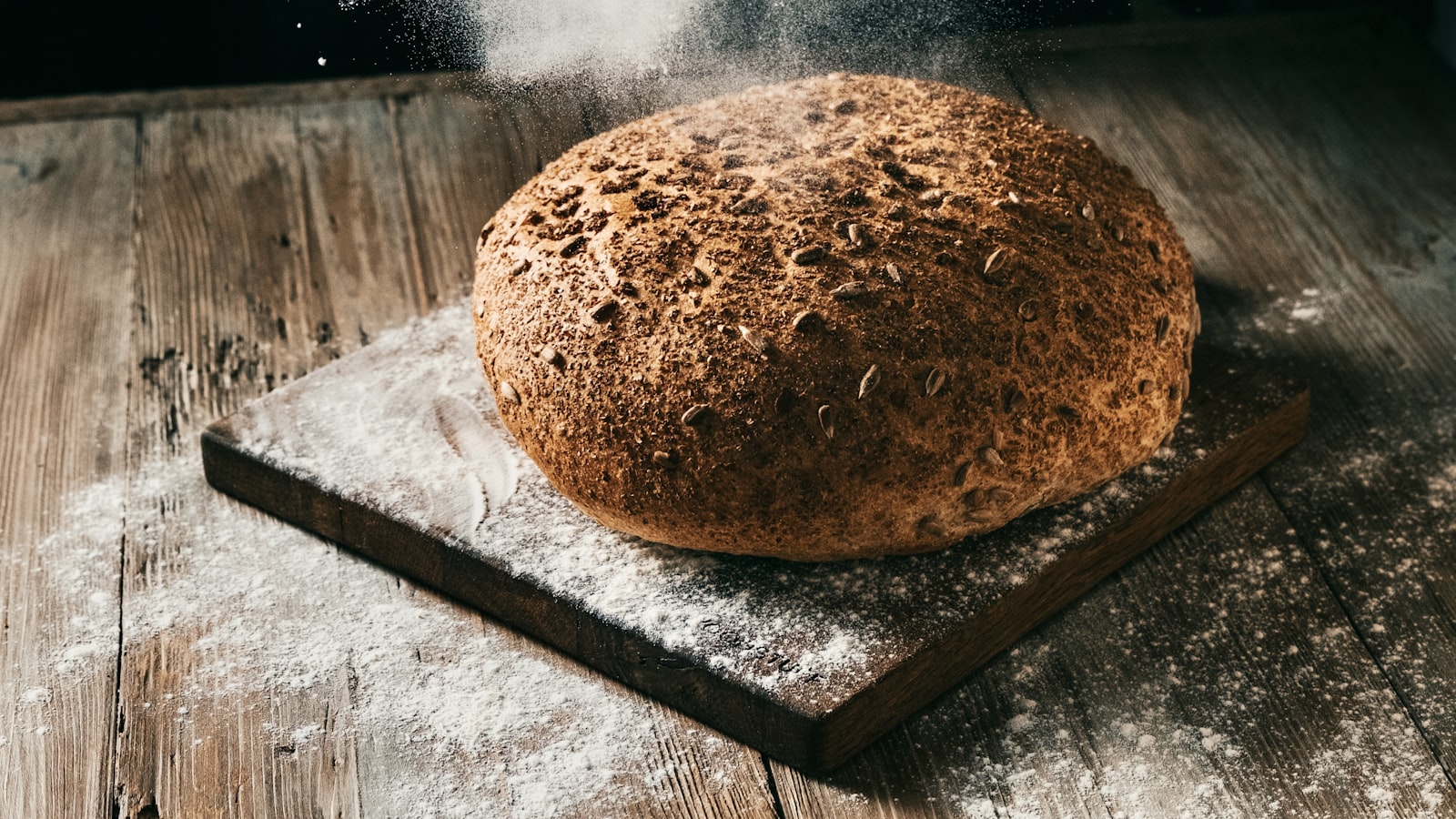
In all of food, there is one permanent defendant: the carbohydrate. It's suspected of everything — of making us fat, of creating dependencies, of sabotaging diets. And while it stands trial, it quietly keeps nearly half the industry running. Let's do it justice for two minutes.
A carbohydrate, in its simplest form, is a sugar: a small molecule — glucose, fructose. Hook two together and you get table sugar. Hook hundreds together in long chains and you get… the starch of a potato or the flour of a loaf. Same family, same bricks — only the length of the necklace changes. The “fast sugar” and “slow sugar” your gym teacher talked about are exactly that: short chains the body undoes in an instant, or long chains it has to patiently cut apart.
Sweetening is only its hobby
We think carbohydrate exists to sweeten. That's its pastime, not its job. In a product it does fifteen other things nobody thanks it for. It gives body and bulk (take the sugar out of a biscuit and all that's left is an intention). It holds water and keeps a cake from drying out. It lowers the freezing point of an ice cream so it stays creamy rather than a block of ice. It feeds the yeasts that raise bread and beer. And when you heat it, it caramelises — that amber colour and cooked-sugar taste that has no substitute.
Caramelisation and Maillard, not to be confused
A quick refresher for the experts: caramelisation is sugar alone browning under heat. The Maillard reaction (see the “protein” episode) is sugar plus a protein. Two different roads to the same reward: the colour and aroma of the roast. The whole world's cooking runs on these two reactions.
The real issue isn't sugar, it's the dose
So why the trial? Because the carbohydrate is a victim of its own efficiency: it delivers immediate energy, cheap and pleasant. The problem was never the molecule, but the quantity and the context — a question of dose, not of demonisation. Reduce, yes. Reformulate, yes. Rewriting entire recipes around cutting it is even one of the great projects of the trade (more on that later).
The carbohydrate will remain the ingredient we love to hate: indispensable and unloved, everywhere and never thanked. A bit like electricity — you only notice it the day it's gone.
Next episode → Fats: the limousine of flavour.